

Why Inclusion
“I praise you, because I am wonderfully made; wonderful are your works!”
- Psalm 139:14
Why Inclusion Matters
Inclusion of students with disabilities and learning differences in Catholic education is consistent with Catholic social teaching on the dignity of every human life. Catholic tradition upholds that every human life is sacred and worthy of respect as the bedrock of a just society. This is not a passive teaching; it is a call to create communities and social systems that reflect the underlying love and divinity of each person.
In the 1940s, the Archdiocese of St. Louis pioneered Catholic education for children with disabilities by implementing the nation’s first “special school district” of separate elementary, secondary, and technical schools. While this was a positive step, a decline in Catholic school enrollment and subsequent financial pressure prevented long-term sustainability.
Further, educational research over the course of 40 years began to show higher academic performance, better social-emotional development, and more positive long-term benefits for all students in an academically inclusive environment.
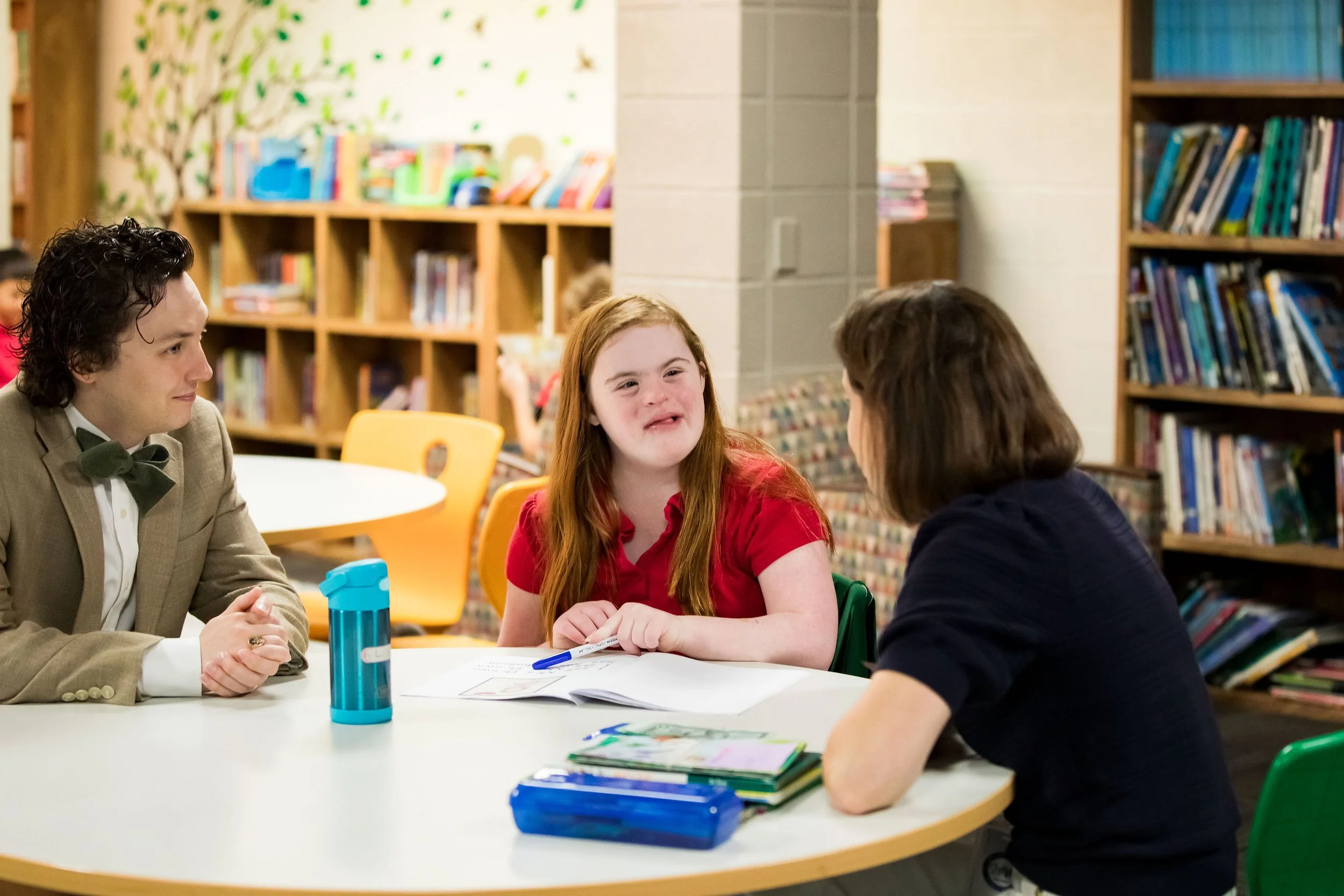
In short? All students benefit from an inclusive education.
One Classroom’s collaborative ecosystem alleviates the pain points of limited human and fiscal resources in Catholic schools, while realizing the value of placing students with special needs alongside their peers at Catholic schools.
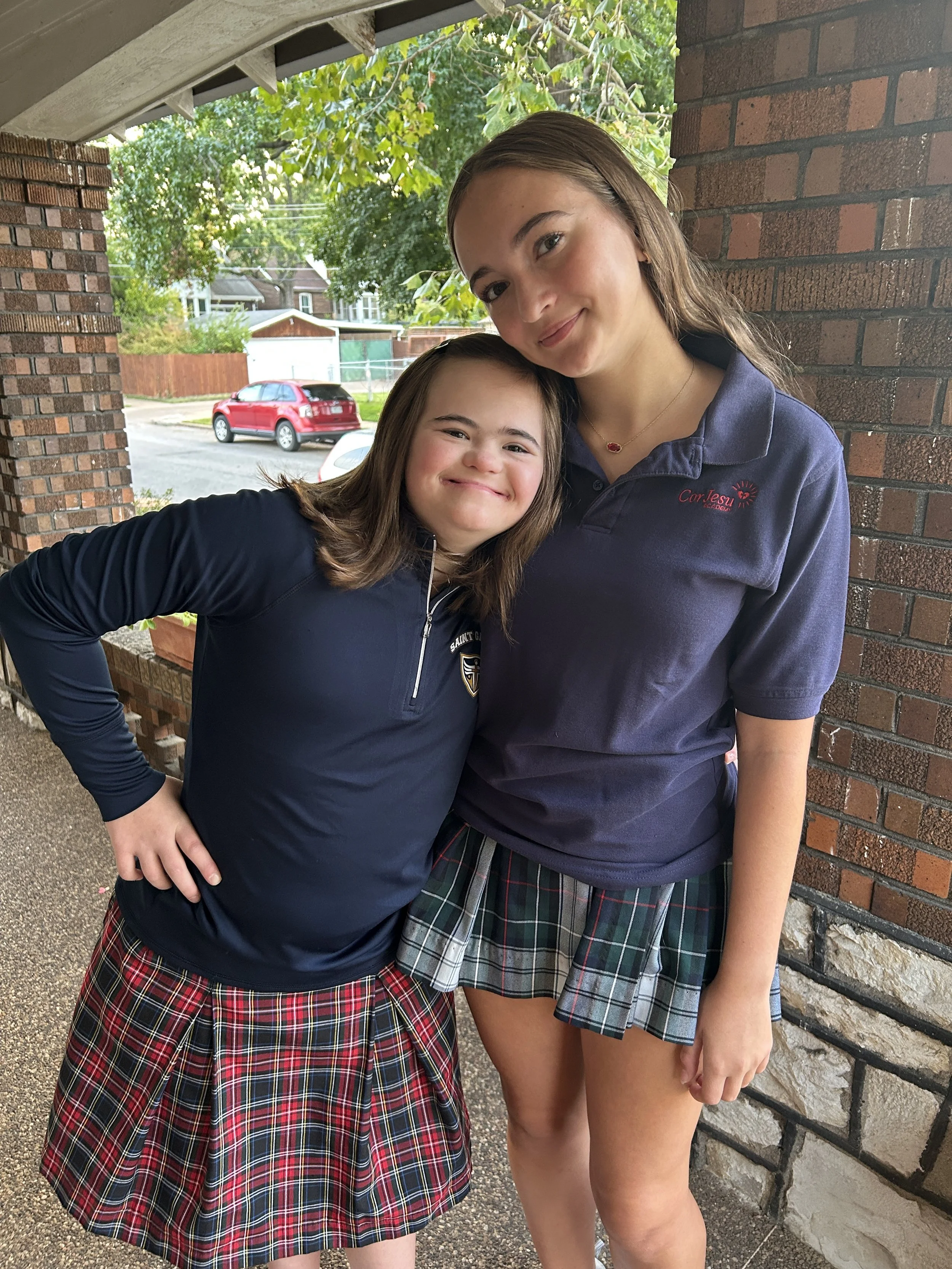

By optimizing existing infrastructure at Catholic schools, One Classroom provides:
A Catholic education for students of all abilities with on-site therapies and services;
Support of Catholic school enrollment by enabling families of children with disabilities to send all of their children to the same school;
Easily accessible and personalized professional development for administrators, teachers, support staff, and pastors to facilitate meaningful inclusion;
A fresh perspective on long-held beliefs that inclusive education only benefits children with disabilities, that a child’s diagnosis defines his/her identity, and that schools lack the resources to include all learners;
An environment that reduces the stigma experienced by individuals with disabilities who are academically, socially, emotionally, and physically segregated; and
The promotion of a more just, equitable, and inclusive society, increased empathy and acceptance of individual disabilities by breaking down barriers among peers.
In Short: an answer to God’s call to love, educate, and find the perfection in all His children.
“Aiden is just Aiden, one of my classmates. We all have gifts and a purpose in life. I don’t know what my purpose is, and I don’t know what Aiden’s is. All I know is that Aiden has gifts and a purpose in life, and it’s just as important as mine.”
- Student, Incarnate Word Catholic School